Less of the members were now interested in going to sea on life-saving missions, so the Board of Directors decided to pay the lifeboat crews to do the work. The interview process was fierce as many wanted the jobs. To have the life-saving club on your resume was gold!
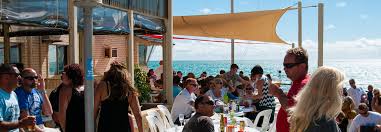
In addition to devising smart fundraising programs, many members volunteered as accountants, event coordinators, marketers and such. The Club was a hive of activity and became the sweetheart of the local city council. A beacon of the community. It quickly matched the influence and budget of the local Rotary and Lions Club combined!
About this time a large fishing trawler caught fire about 400 metres off the coast. The newly hired rescue team, enthused about using their new equipment, went out into the sea. They returned with about a dozen cold, wet, and half-drowned people.
Most of the rescued were Indonesian, and it was difficult to communicate with them. The fire had left them with a strong smoky smell and blackened with ash. The life-savers didn’t quite know where to place them. The beautiful new carpets inside the Club house would be ruined, and the bathrooms did not have showering facilities. It was near dark and freezing outside, so the beach showers were the only option. They asked the rescued folk to kindly shower before entering the building. By 9pm the group were huddled in blankets around a pot of good soup.
‘Well done to my team who went above and beyond to keep our community safe’ was the quote from the Club President. The story made it into the headlines for of all the major evening news broadcasts.
However, as they say, there was trouble in paradise.
At the next Club board meeting, there was a split in the club membership. Most of the members wanted to stop the club's life-saving activities or at least curtail them. A consensus was reached. The Club would not go out past the end of the roped off section of the beach to help. Any incident further than the end of the jetty would be handled by the local Coast Guard. This action would safeguard the normal life pattern of the club and protect the members. The Club would donate 10% of their annual budget to the National Coast Guard service.
Many left to start their own clubs. They wanted to return to the real mission of saving lives.
If you visit this part of the coast today, you will find many ‘well equipped’ clubs along the shore. Any surfing or boating accidents occurring outside the breaks are passed onto the Coast Guard. People continue to drown. Club membership continues to grow