
Imagination is a danger; thus, every totalitarian regime is frightened of the artist. It is the vocation of the prophet to keep alive the ministry of imagination, to keep on conjuring and proposing alternative futures to the single one the king wants to urge as the only thinkable one.
— Walter Brueggemann, The Prophetic Imagination (1985)
WAR AND HOPEFUL IMAGINATIONS
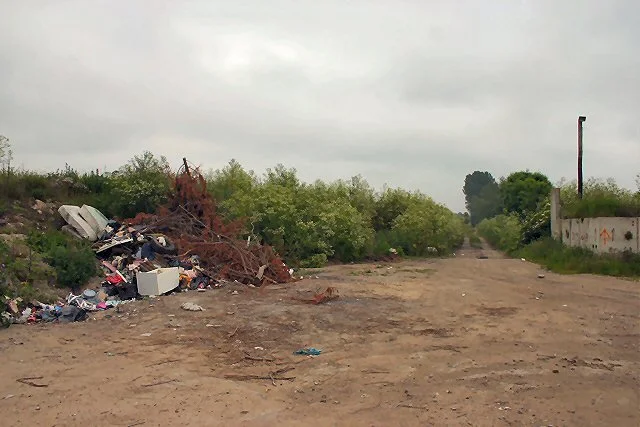
My father regularly took me and my siblings to the local tip. He was an avid gardener. He would connect his small, rusty trailer to the car, and we would help him haul greenery from the garden until the trailer was filled with cuttings—eucalyptus trimmings or grassy weeds—tied down with ropes. Then we would head off on an adventure that ended with the faint smell of compost on our jeans and our mouths feeling grimy as that unmistakable garbage-dump smell clung to our skin.
We were allowed to wander and pick through the piles of other people’s junk. We found dolls and suitcases and furniture and would beg my father to let us take things home. It seems a ridiculous adventure now, considering the risk of germs and sharp objects. Still, in simpler times it was just a treasure trove. We learned to salvage, rescue, and save. We learnt that one man’s trash could be another man’s treasure. Those grimy things can be cleaned. Almost everything can be redeemed.
In this century we are on course to see better use of resources globally and a more respectful relationship with our shocking waste buildup. At the same time, we are dealing with deep piles of justice fallout that have been rotting in the global tip for decades. We are picking through the garbage of the past.
It is worth noting that we are trying to solve two global problems at once: the physical (ecological) and the spiritual (human). Both fit within the story of our reconciliation with God. In Genesis we read that God breathed life into the earth and then into humankind. He longs to see reconciliation in both—our earth and all humanity. He came to earth himself, our second Adam, to demonstrate how serious he is about helping us escape our mess.
If the natural speaks of the spiritual in any way, our efforts to right ecological wrongs might mirror or foreshadow the redeeming of the soul of humanity: creating a people intent on treasuring all life—humanity, animals, and the planet. A humanity that owns up to the injustices of the past. A society moving away from a clinical, frightened separateness and the glorification of the individual.
As we comb through the piles of garbage—the trash of wars, apartheid, racism, and tribal brutality—I remain hopeful. It is messy work, and the risks are high. But perhaps this is what redemption looks like: people willing to sift through the ruins of the past, believing that something worth saving might still be found.
Perhaps this, too, is part of the prophetic imagination: refusing to believe that the story buried in the rubble is the only one we will ever have.