
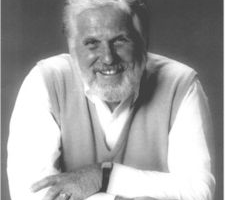
John Wimber repeatedly signalled that the work of the Holy Spirit was to move what was brewing in our heads down into our chests, where it could mingle with the heart and make peace. I always loved that image. He would place his hand on his head, slowly move it down over his throat, and finally rest it on his heart. It was a simple gesture, but I have often found myself trying to make that same journey—to reconcile my head and my heart. It is a beautiful act of intention.
Wimber was different. He didn't demand that I see and then believe, or even hear and then believe. Yes, he curated hyped-up healing meetings and spoke prophetically. It was crazy stuff—there's no doubt about that. But his physical presence was strangely calming. He slowed everything down and wanted us to get it. He sat like someone quietly watching what God was doing rather than playing the role of ringmaster. We were all witnessing the Holy Spirit together. That's why I liked his style on the platform. It invited my imagination, my heart, and my mind to make some intelligent sense of God. Perhaps he was my first introduction to contemplation—or what I would later call spiritual dreamtime.
John Wimber created a safe place somewhere in the middle for me. He preached that good things come to those who believe—a form of prosperity teaching—but he delivered the message gently and subtly. I could receive it. He created a hybrid vision of vocation and generosity that filled many of the potholes in my faith. I loved the Wimber years.
John Wimber longed to see a church that was supernaturally natural. He understood that paradox. He would lean back and delight in seeing God work in unexpected places. He never pretended to have everything worked out, and somehow that made it easier for the rest of us to believe.